Eighth Day of Hunger Strike by 1,500 Prisoners Facing Execution in Qezel Hesar; Some Prisoners Begin Dry Hunger Strike
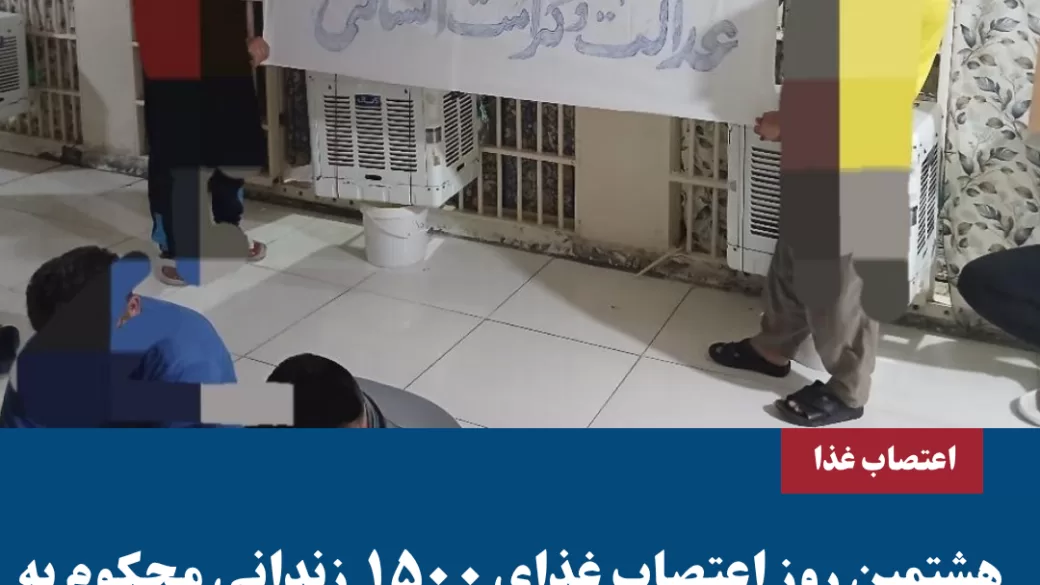
Breathing in Confinement, Monday, 20 July 2026: Around 1,500 prisoners in Unit 2 of Qezel Hesar Prison in Karaj, most of whom have been sentenced to death on drug-related charges, have completed the eighth day of a hunger strike in protest against the resumption of executions.
According to images, videos and messages sent to the Prisoners’ Rights League in Iran (Breathing in Confinement), during this period at least six prisoners sentenced to death have been transferred to solitary confinement. A number of hunger strikers have required medical attention due to physical weakness, and on the seventh day, several prisoners sewed their lips shut and began a dry hunger strike. At the same time, prisoners’ families gathered outside the prison and called for an end to the executions.
In messages sent to Breathing in Confinement, the protesting prisoners have called for news of their protest to be publicised and for their voices to be heard by the public and international organisations.
Beginning of the Protest: Six Prisoners Transferred to Solitary Confinement
The hunger strike began on Monday, 13 July, after six prisoners sentenced to death on drug-related charges were transferred from the general ward to solitary confinement. In many reported cases, prisoners sentenced to death are transferred to solitary confinement shortly before their executions, and these transfers heightened concerns among the prisoners that the sentences could be carried out imminently. In response, prisoners in Unit 2 refused to accept their food rations and announced that they would continue their protest until the executions were halted and their demands addressed.
Referring to previous promises by officials to reform the law and review death sentences related to drug offences, the prisoners stressed that these promises have yet to be fulfilled. Some prisoners stated in their messages that poverty, economic hardship and social conditions had contributed to their involvement in these cases.
Prison Authorities’ Response: Attempts to Cut Off Communication with the Outside World
During the first days of the protest, prison authorities took measures to restrict prisoners’ communication with the outside world, including blocking communication channels, installing signal-jamming equipment and attempting to confiscate mobile phones in an effort to prevent images and news of the protests from being published.
Informed sources told Breathing in Confinement: “Despite the signal disruption and pressure to confiscate phones, the prisoners have managed, by every means possible, to get their images and messages to us. These exclusive videos have made it possible to verify and document developments inside Unit 2 as they unfold.”
Day Three: 22 More Prisoners Transferred to Solitary Confinement
In exclusive videos received by Breathing in Confinement, prisoners can be seen holding signs reading “No to Execution” and calling for an end to executions and the return of prisoners transferred to solitary confinement to the general ward. During this period, a number of hunger strikers became unwell due to physical weakness caused by refusing food and required medical attention.
The report from this day was published on X:
https://x.com/NFasdarghafas/status/2077519781293682936?s=20
Days Five and Six: Worsening Physical Weakness and Continued Protest
On the fifth day, prisoners reported that no action had been taken to address their demands and that more of them had developed severe physical weakness. In an audio message, one prisoner said, “Hear our voices from behind the walls of Qezel Hesar,” adding that many prisoners had ended up in these circumstances not because of criminality, but as a result of poverty, deprivation and the severe pressures of life.
On the sixth day, the prisoners reiterated their demand for the abolition of the death sentences of all those facing execution and announced that they would continue their protest despite the risks to their health. In images received by this news outlet, they can be seen holding placards reading, “Prison and execution are not the rights of Iran’s youth,” while emphasising the right to life and the possibility of individuals returning to society.
The images were published on X:
https://x.com/NFasdarghafas/status/2078180843357347851?s=20
https://x.com/NFasdarghafas/status/2078556602697654513?s=20
Day Seven: Families Gather Outside the Prison and Dry Hunger Strike Begins
On the seventh day, a number of prisoners’ families gathered outside Qezel Hesar Prison and called for an end to the executions. At the same time, after their demands remained unanswered, several prisoners sewed their lips shut in protest and began a dry hunger strike. This action was documented in exclusive videos received by Breathing in Confinement.
According to reports received, the physical condition of a number of hunger strikers is deteriorating. The continuation of the hunger strike, particularly the start of a dry hunger strike, has heightened concerns about the prisoners’ health and underscored the urgent need for human rights organisations to pay attention to the situation.
The protesting prisoners have stated that their main demands are recognition of the “right to life,” an end to executions, and the revocation of the death sentences issued against them. They have said that they will continue their hunger strike and sit-in until these demands are met.
As the hunger strike enters its second week and some prisoners begin a dry hunger strike, the lives of hundreds of prisoners are at serious and immediate risk. The continued failure to address their demands, together with attempts to cut off prisoners’ communication with the outside world, has increased the need for an urgent response from human rights organisations and international mechanisms monitoring the situation in Iran. Every hour of delay could result in executions being carried out or an irreversible deterioration in the physical condition of the hunger strikers.
The Prisoners’ Rights League in Iran calls for urgent action by the United Nations Special Rapporteur and other international bodies to halt executions in Iran and save the lives of thousands of prisoners under sentence of death.